Cold Weather + Diesel Reality: Keep Your Diesel Starting, Running, & Emissions-Ready All Winter
Diesel trucks (and cars, to a lesser extent) earn their reputation the hard way. Higher compression, serious torque, and the ability to tow and work where gas engines struggle. That capability comes with a tradeoff: diesel engines demand more attention, especially when winter hits.
If you are new to diesel ownership and used to gas vehicles, this can come as a surprise.
Cold weather doesn’t usually create new problems. Instead, it exposes the ones you were already living with. Marginal batteries fail. Moisture in the fuel system freezes. DEF/AdBlue® levels you’ve been ignoring suddenly matter. If your truck won’t start on a freezing morning, it’s rarely “bad luck.” It’s physics, chemistry, and deferred maintenance colliding.
Here’s what actually stops diesel trucks in winter – and how to stay ahead of it.
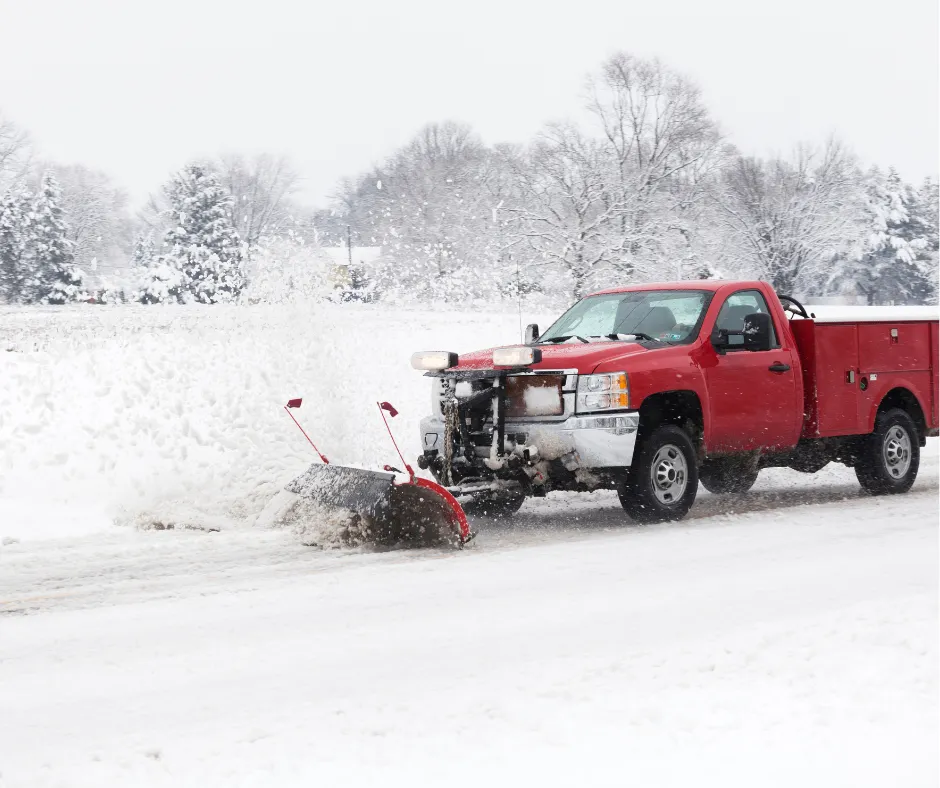
Photo by lissart for Getty Images. License provided by Canva Teams.
Start With Fuel: Winter Diesel and System Conditioning
In cold climates, winterized diesel fuel isn’t optional. It’s blended to resist gelling and wax crystallization that can clog filters and starve the engine. Even with winter fuel, the system still benefits from conditioning. More than you think, actually.
A complete diesel fuel system treatment helps stabilize fuel, control moisture, and maintain injector cleanliness – critical when cold starts already demand more from the engine. Changing the fuel filter before winter removes restriction and reduces the chance of ice or debris cutting fuel flow when temperatures drop.
Batteries: The Weakest Link in the Cold
Cold temperatures slow the chemical reactions inside a battery. Cranking power drops, sometimes dramatically. Diesel engines require more starting power than gas engines due to higher compression ratios, which means a battery that was “fine” in October can become an issue in January.
If the battery is more than a few years old, test it. Cold weather doesn’t forgive borderline components. Weak batteries may not spin the starter fast enough or fully power glow plugs and intake heaters – both critical for ignition. Batteries matter in diesel vehicles. Ignore at your own risk.
Glow Plugs and Intake Air Heaters Matter More Than You Think
Diesel engines rely on heat to ignite fuel. Glow plugs or intake air heaters pre-warm the combustion chamber so fuel can ignite during cold starts. When they fail, the engine may crank endlessly without firing, or trigger a check-engine light (CEL).
Glow plug failures don’t always announce themselves loudly. Cold weather makes the problem obvious. Follow the maintenance schedule in your owner’s manual and address faults early, not when the truck refuses to start.
Air in the Fuel System: Small Leaks, Big Problems
Diesel fuel systems don’t like air. Loose fittings, worn seals, or clogged filters allow air to enter, disrupting the precise compression process required for combustion. Even small air pockets can prevent starting or cause rough running.
Cold temperatures make this worse. Materials contract. Seals harden. Iffy connections start leaking air. Keeping the fuel tank at least a quarter full helps maintain pressure and reduce the chance of drawing air into the system. Regular fuel filter changes matter more in winter than any other season.
Water Contamination: Frozen Fuel System Failure
Water finds its way into diesel fuel through condensation. In warm weather, it’s an annoyance. In freezing temperatures, it becomes ice, which blocks filters and fuel lines.
Most diesel vehicles are equipped with a water separator for a reason. Drain it regularly, especially in winter. Ignoring water in the fuel system is one of the fastest ways to end up stranded on a cold morning.
Engine Oil Thickening: Hidden Starting Resistance
Cold oil is thick oil. Higher viscosity increases internal engine resistance, forcing the starter to work harder and draining the battery faster. Synthetic motor oils with appropriate winter viscosity ratings flow better at low temperatures and reduce the load during cold starts.
Using the correct oil grade for winter isn’t about performance. It’s about starting reliability.
DEF: The Winter Strategy Most Owners Miss
Running out of Diesel Exhaust Fluid (DEF) has nothing to do with engine damage – and everything to do with emissions compliance. Modern diesel vehicles are designed to protect the SCR system at all costs. Why? Because they’re finicky and expensive.
As DEF levels drop, the system issues warnings. Ignore them, and the vehicle may enter limp mode. Shut the engine off with an empty DEF tank, and many vehicles will not restart until DEF is added. This behavior is intentional. Annoying, but intentional.
Cold weather doesn’t change this, but it often exposes neglect. DEF freezes at low temperatures and leaves behind white crystalline deposits as it evaporates. If the tank has run dry, those white crystals can form inside the system. These crystals, left untreated, can lead to SCR and DEF pathway repairs that can total over $3,000.
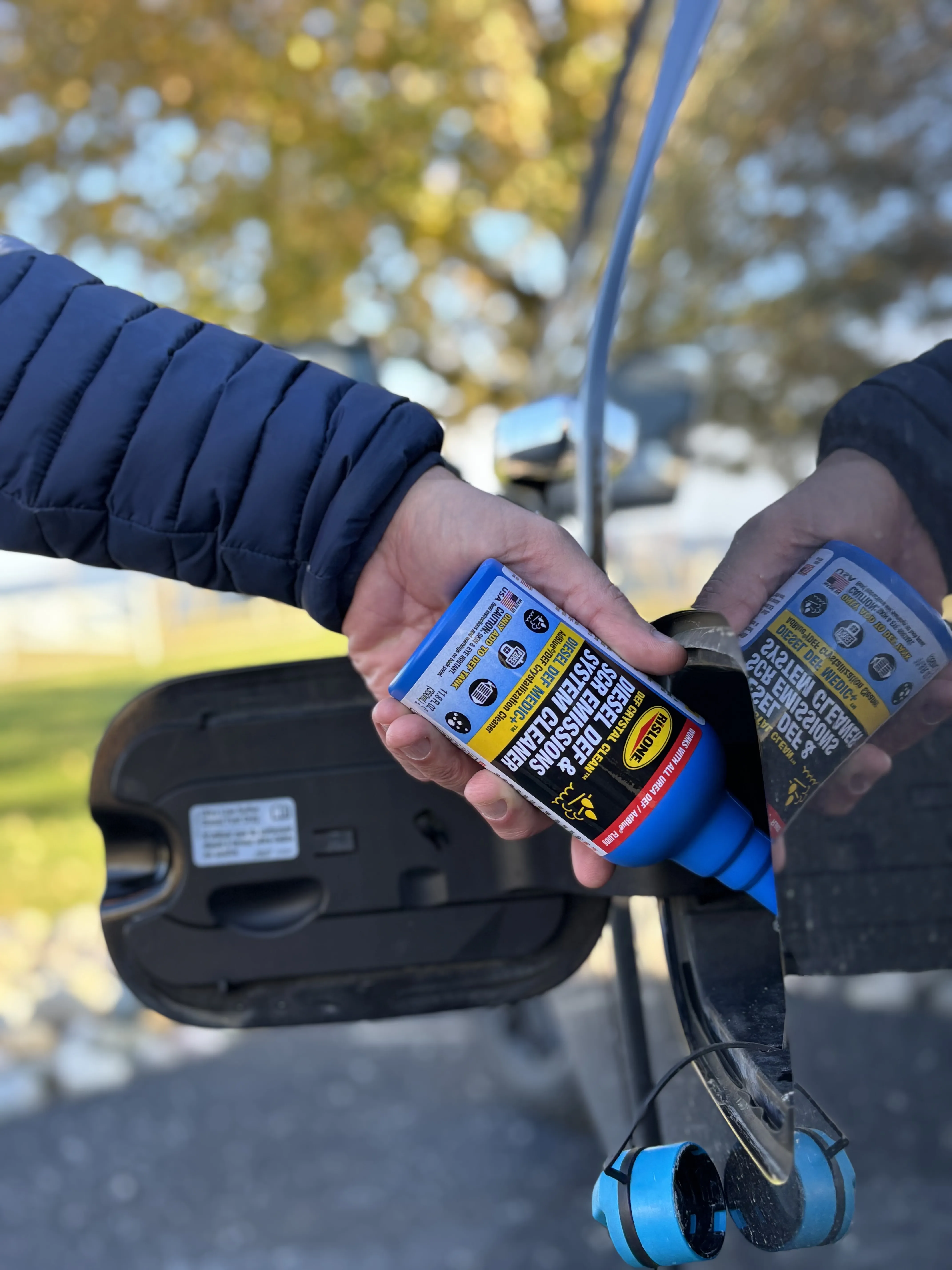
When refilling an empty DEF tank, adding a proven DEF system cleaner designed to dissolve crystal deposits helps restore proper injector spray patterns and SCR performance.
Winter Diesel Reliability Is Earned, Not Assumed
Diesels don’t just “fail randomly” in winter. They fail predictably when maintenance lapses meet winter reality. Fuel quality, electrical strength, emissions readiness, and fluid condition all matter more when temperatures drop.
Prepare before winter, not during it. Diesel rewards owners who stay ahead of the game – and punishes those who wait for a warning light to act.
AdBlue® is a registered trademark of VDA Verband der Automobilindustrie e.V.