When Your Diesel Loses Its Grunt: A DIY Troubleshooting Guide
There’s nothing like the feeling of your diesel engine pulling strong – the low-end torque, the confidence when towing, the steady power up steep grades. It’s awesome. Until suddenly, it’s not there anymore.
Maybe your truck is struggling to get up to highway speed. Or it’s coughing and sputtering when you try to pass. Worst case? You’re stuck in “limp mode” with a dashboard full of angry warning lights.
Here’s the good news: most diesel power loss issues aren’t catastrophic engine failures. They’re often related to fuel delivery, airflow, or finicky sensors – and many you can diagnose and fix yourself with basic tools and a tiny bit of instruction.
Start With the Obvious: Fuel System Problems
Your diesel needs a steady diet of clean fuel to make power. Interrupt that supply, and performance drops fast.
Check your fuel filters first. Most diesel owners forget they even have fuel filters until something goes wrong. Your owner’s manual will tell you when they’re due (typically every 10,000–20,000 miles), but if you bought the truck used or can’t remember the last change, just replace them. Many diesels have multiple filters – get them all. Budget 30–60 minutes and save yourself a tow bill.
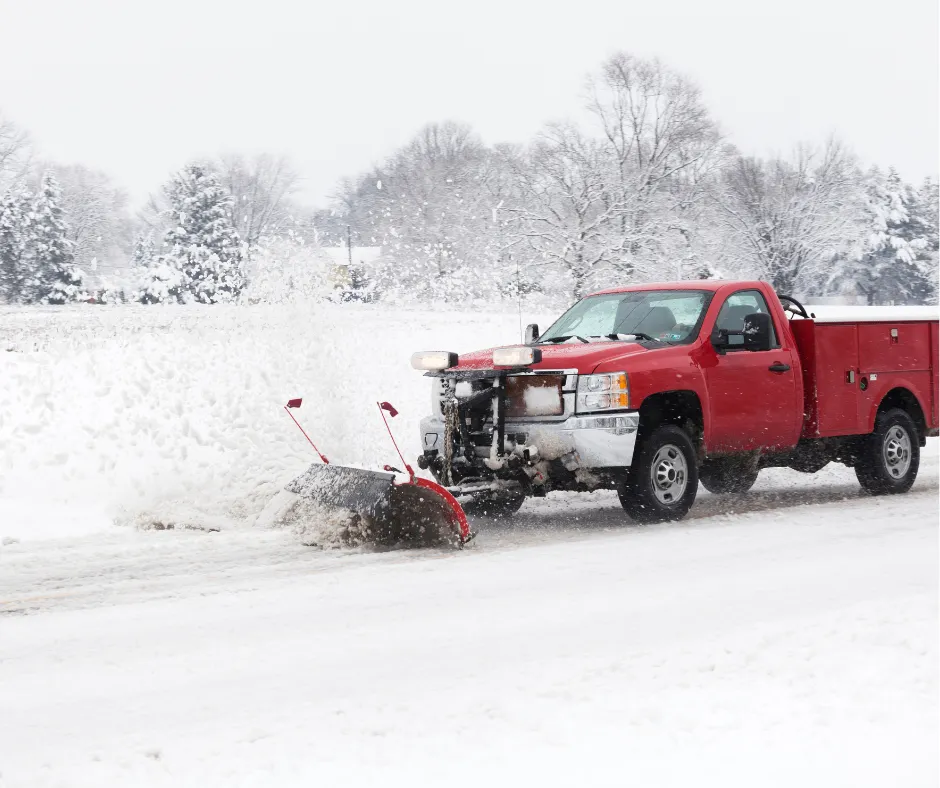
Winter drivers, pay attention. If it’s cold out and your diesel is acting sluggish, you’re probably dealing with gelled fuel. Diesel fuel contains paraffin wax that clumps up when temperatures drop, clogging lines and filters. Water condensation in your tank can freeze solid and cause the same problem.
The fix? Use winter-grade fuel from quality stations, drain your water separator regularly, and consider a diesel fuel treatment designed to prevent gelling. An ounce of prevention beats a frozen fuel system every time.
Test your fuel pump. A weak fuel pump might deliver enough fuel at idle but starve the engine under load. Grab a fuel pressure gauge and check whether pressure meets your manufacturer’s specs. If it’s low, you’ve found your culprit.
That Pesky DPF Warning Light
If you mostly drive short trips around town at lower speeds, you’re a prime candidate for a clogged diesel particulate filter (DPF). You’ll usually get a DPF warning light or check engine light. Grab an OBD-II code reader (they’re cheap enough to own, or hit up your local auto parts store for a free scan) and look for code P242F or similar.
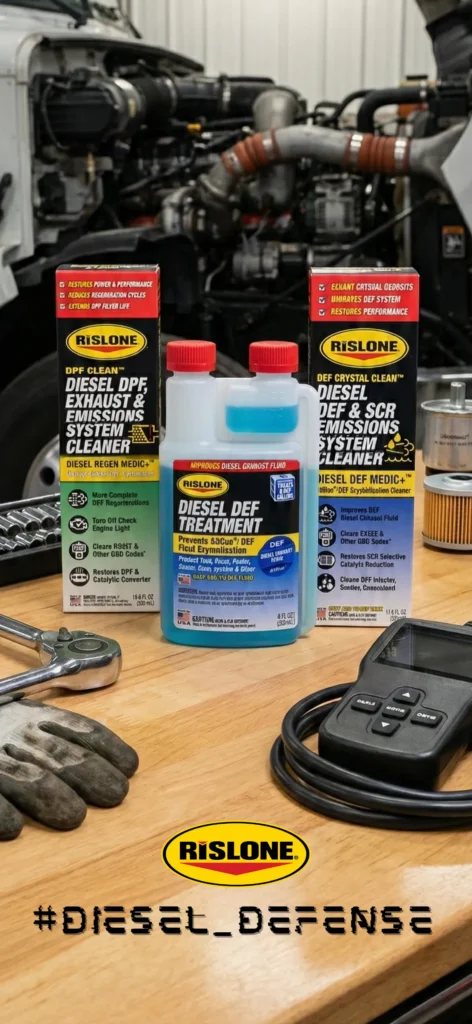
The old-school fix involves expensive shop time or a pricey replacement. The modern solution? Chemical advancements like Rislone DPF Clean that you pour in your fuel tank and drive. It unclogs the filter while you’re on the road. Use it every 5,000 miles to keep things flowing and extend your DPF’s life.
Let Your Engine Breathe
Diesels are air pumps at heart. Choke off the air supply or block the exhaust, and power disappears.
Air filter inspection is Maintenance 101. Pop the hood and check your air filter (in fact, some diesel vehicles have a “filter minder” gauge under the hood to make it easy to check). A collapsed or clogged filter is an easy fix that makes a massive difference. Don’t just look for dirt – leaves, snow, and other debris can block airflow too. If it looks questionable, replace it. They’re cheap.
DEF crystal contamination is sneakier. If your diesel has a selective catalytic reduction (SCR) system (most modern ones do), white crystal deposits can build up in the diesel exhaust fluid (DEF) system. This is especially common if you drive short distances with light loads.
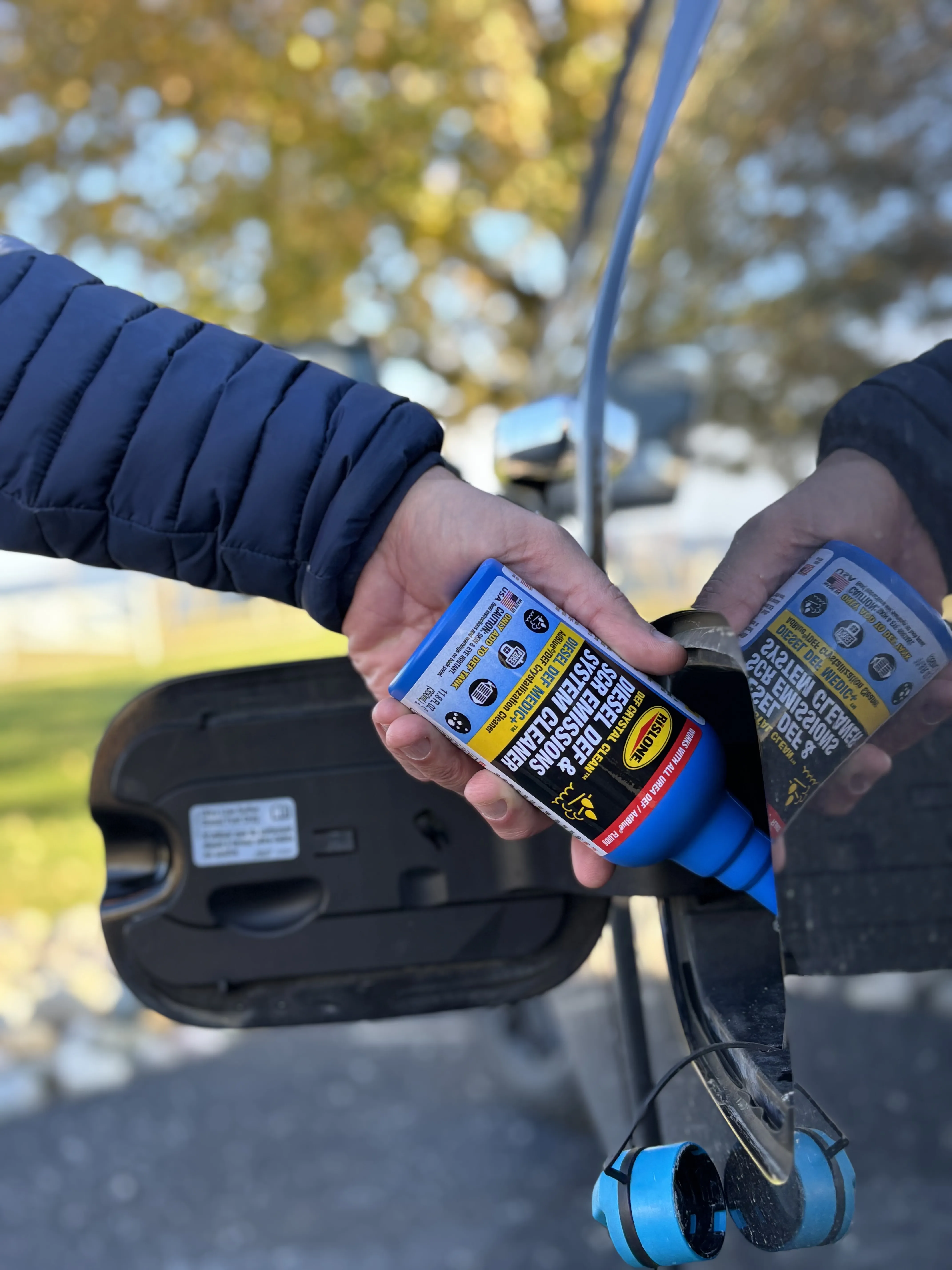
Symptoms include limp mode, warning lights, worse fuel economy, and trouble codes like P20EE, P20EF, P204F, P207F, P20E8, or P218F. In severe cases, crystallization can clog the exhaust pathway entirely. Rislone makes its DEF Crystal Clean product that goes right in your DEF/AdBlue tank to dissolve the buildup. Follow up with Rislone DEF Treatment at every refill to prevent crystals from forming ever again.
When Sensors Go Rogue
Modern diesels are computer-controlled marvels – until a sensor starts lying to the engine control unit (ECU). When the ECU gets bad data, it often limits power to protect the engine from perceived damage.
Common troublemakers include:
- Mass Airflow (MAF) sensor
- Boost pressure sensor
- Throttle position sensor
Your check engine light is usually the first clue. Run those OBD-II diagnostic codes to pinpoint which sensor is acting up. Sometimes you can clean a dirty MAF sensor; other times you’ll need a replacement. Either way, knowing which sensor failed beats guessing.
The Nuclear Option: Turn It Off and On Again
Before you dive into diagnostics, try the tech support classic: shut off the engine, wait 15–20 seconds, and restart (or if you want to force the deepest reboot possible, unhook your battery for 15 mins, then re-connect it). Occasionally, a minor computer glitch throws the system into limp mode. A restart clears it and you’re back in business. Worth trying before you spend an hour hunting for problems. Doesn’t work often, but it can in some cases.
The Bottom Line
Diesel power loss is frustrating, but it’s rarely mysterious. Work through the common culprits systematically – fuel delivery, airflow, emissions systems, and sensors – and you’ll usually find the answer without a massive repair bill.
Your diesel is built to work hard and last. Keep the fuel clean, the filters fresh, and the emissions systems clear, and it’ll reward you with that trademark performance for years to come.
For more diesel maintenance tips and product recommendations, check out Rislone’s diesel defense solutions.
AdBlue® is a registered trademark of VDA Verband der Automobilindustrie e.V.